High-Speed Rail: $10 Billion Federal Boost for 2026 Goals
Advertisers
The United States is injecting $10 billion in federal funds to accelerate high-speed rail projects, aiming for significant completion targets by 2026 to modernize transportation.
Advertisers
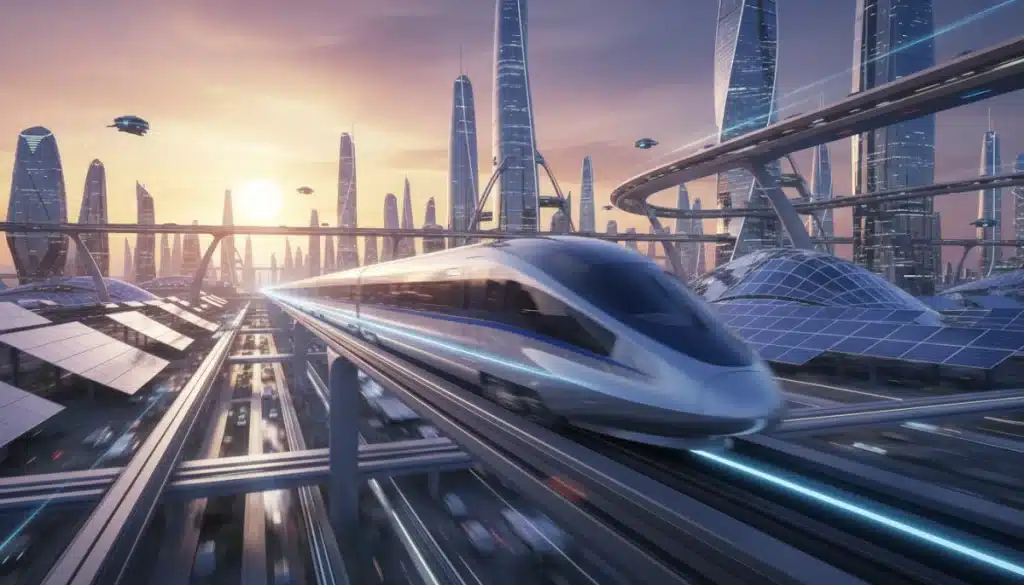
The landscape of American travel is on the cusp of a transformative change. With a monumental Transportation Modernization: High-Speed Rail Projects Receive $10 Billion Federal Boost for 2026 Completion Goals, the nation is poised to redefine its infrastructure, promising faster, more efficient, and environmentally friendly connectivity across key regions. This significant investment marks a pivotal moment, signaling a renewed commitment to advanced transit solutions for the future.
The federal investment: a game changer for high-speed rail
The recent announcement of a $10 billion federal boost for high-speed rail projects is not just a financial allocation; it’s a strategic move to fundamentally alter the American transportation paradigm. This unprecedented funding is designed to accelerate existing projects and catalyze new initiatives, ensuring that the United States remains competitive in global infrastructure development. The focus is squarely on achieving tangible results by 2026, setting a clear timeline for progress.
Advertisers
This substantial investment reflects a growing recognition of high-speed rail’s potential to alleviate congestion, reduce carbon emissions, and stimulate economic growth. By providing a viable alternative to air and car travel, these projects aim to enhance regional connectivity and create new opportunities for communities along their routes. The federal commitment underscores a long-term vision for a more integrated and sustainable national transportation network.
Strategic allocation and project prioritization
- California High-Speed Rail: A significant portion of the funds will likely bolster this ambitious project, aiming to connect major metropolitan areas.
- Brightline West: Expected to receive considerable support to link Southern California and Las Vegas, offering a high-speed alternative to the busy I-15 corridor.
- Northeast Corridor Upgrades: Investments will also target improvements to existing Acela services, enhancing speed and capacity in the densely populated region.
- Emerging Corridors: Funding will also seed planning and initial construction for new high-speed routes in other potential regions, fostering future expansion.
The allocation process prioritizes projects demonstrating strong economic viability, environmental benefits, and a clear path to completion within the stipulated timeframe. This ensures that the federal dollars are deployed efficiently, maximizing their impact on the national transportation infrastructure. The government’s rigorous evaluation criteria aim to select projects that offer the greatest return on investment for the American public.
Ultimately, this federal investment represents a critical juncture for high-speed rail in the United States. It moves beyond theoretical discussions to concrete action, laying the groundwork for a future where rapid, efficient rail travel is a cornerstone of daily life. The 2026 completion goals serve as a powerful motivator, driving project developers and stakeholders towards ambitious yet achievable targets.
Economic impact and job creation through rail development
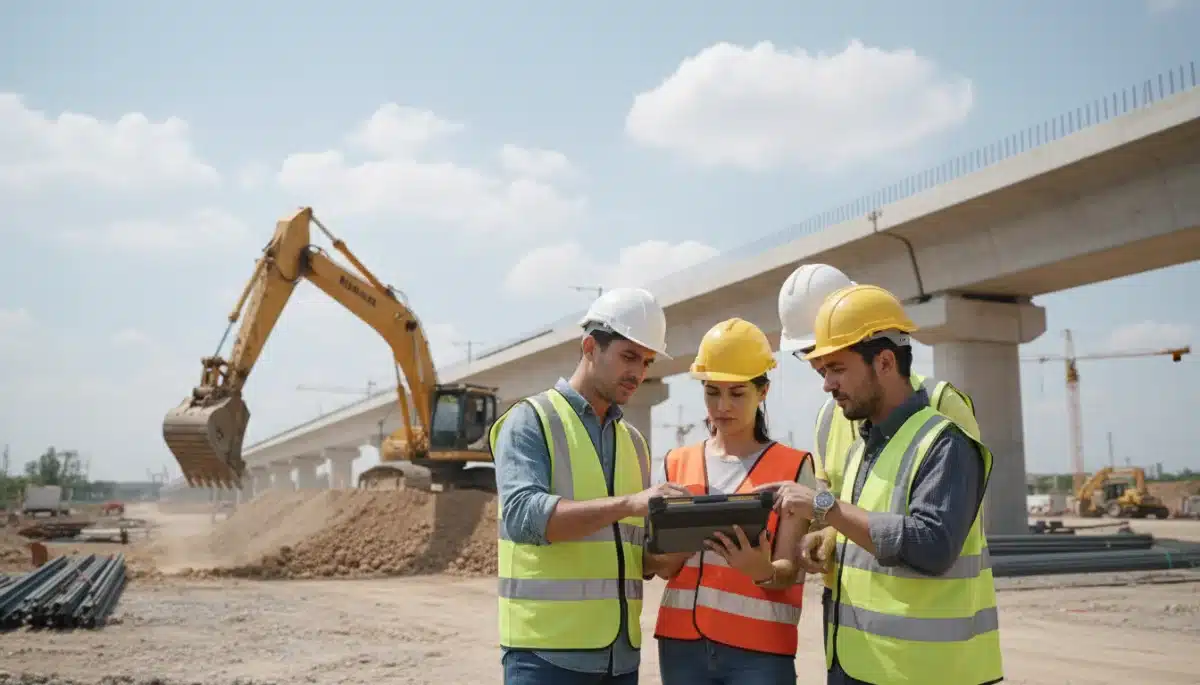
The infusion of $10 billion into high-speed rail projects is anticipated to deliver a substantial economic stimulus across the nation. Beyond the direct investment in infrastructure, these projects are powerful engines for job creation, fostering growth in various sectors. From engineering and construction to manufacturing and services, the ripple effects of this development will be felt far and wide, offering tangible benefits to American workers and businesses.
Building and maintaining high-speed rail networks requires a diverse workforce, encompassing skilled trades, technical experts, and administrative staff. This demand will generate thousands of new jobs, providing stable employment opportunities and contributing to local economies. Furthermore, the development of these corridors often spurs ancillary businesses, such as hospitality and retail, in the communities they serve.
Boosting local economies and supply chains
High-speed rail construction projects are inherently complex, requiring a vast array of materials and services. This demand translates into increased business for local suppliers, manufacturers, and contractors, strengthening domestic supply chains. The procurement of steel, concrete, electrical components, and specialized equipment creates a cascade of economic activity, supporting industries across the country.
- Increased demand for construction materials: Boosting production and sales for steel, cement, and aggregate industries.
- Growth in manufacturing: Spurring innovation and production in train car assembly, signaling systems, and other rail-specific technologies.
- Local business support: Generating revenue for small and medium-sized enterprises providing services to construction sites and personnel.
- Real estate development: Encouraging investment around new stations, leading to commercial and residential growth.
Moreover, once operational, high-speed rail lines can transform regional economies by facilitating easier business travel and tourism. This increased accessibility can attract new investments, foster regional collaboration, and expand market access for businesses. The enhanced connectivity provided by these networks can unlock economic potential that was previously constrained by limited transportation options.
The long-term economic benefits extend beyond the construction phase. The ongoing operation and maintenance of high-speed rail systems create permanent jobs and stable economic contributions. This sustained economic activity, coupled with the improved mobility for goods and people, ensures that the initial federal investment yields lasting prosperity for the nation.
Environmental benefits: a greener way to travel
One of the most compelling aspects of the federal investment in high-speed rail is its profound environmental benefit. As concerns about climate change intensify, shifting transportation modes towards more sustainable options becomes paramount. High-speed rail offers a significantly greener alternative to traditional modes of travel, playing a crucial role in reducing the nation’s carbon footprint.
Compared to air travel and gasoline-powered automobiles, electric high-speed trains emit substantially less greenhouse gases per passenger mile. By encouraging a modal shift, these projects contribute directly to cleaner air and a healthier planet. The development of an extensive high-speed rail network aligns with broader national goals for environmental protection and sustainable development.
Reducing carbon emissions and fuel consumption
High-speed trains, particularly those powered by renewable energy sources, offer a dramatic reduction in carbon emissions. A single train can carry hundreds of passengers, effectively replacing numerous individual cars or several short-haul flights. This consolidation of travel significantly decreases overall fuel consumption and associated emissions, making it a powerful tool in the fight against climate change.
- Lower per-passenger emissions: High-speed rail is significantly more energy-efficient than air or road travel for comparable distances.
- Reduced reliance on fossil fuels: Electric trains can be powered by sustainable energy sources, further decarbonizing the transportation sector.
- Decreased traffic congestion: Fewer cars on highways lead to less idling, lower emissions, and improved air quality in urban areas.
- Land use efficiency: Rail corridors are generally more efficient in land use compared to the extensive infrastructure required for airports or highways.
Beyond carbon emissions, high-speed rail also contributes to a reduction in other environmental pollutants, such as particulate matter and nitrogen oxides, which negatively impact air quality and public health. The quieter operation of electric trains also lessens noise pollution in populated areas, improving the quality of life for residents near rail lines.
The long-term environmental advantages of high-speed rail are clear. By investing in this infrastructure, the United States is not only modernizing its transportation system but also making a significant commitment to environmental stewardship. The 2026 completion goals are thus not just about speed and efficiency, but also about building a more sustainable future.
Technological advancements driving rail innovation
The push for high-speed rail is inextricably linked to continuous technological innovation. The $10 billion federal boost will not only fund tracks and trains but also support the research, development, and implementation of cutting-edge technologies that make these projects possible and efficient. From advanced signaling systems to sophisticated materials, technology is at the heart of modern rail travel.
Innovations in train design, such as aerodynamic profiles and lightweight composites, contribute to greater energy efficiency and higher speeds. Furthermore, advancements in propulsion systems, including magnetic levitation (maglev) technologies, hold the promise of even faster and smoother journeys, pushing the boundaries of what’s possible in ground transportation.
Smart infrastructure and operational efficiency
Modern high-speed rail networks rely heavily on smart infrastructure. This includes advanced signaling and control systems that ensure safety and optimize train movements, allowing for higher frequencies and reduced travel times. Predictive maintenance technologies, utilizing sensors and data analytics, enable proactive identification of potential issues, minimizing disruptions and maximizing operational efficiency.
- Automated train control: Enhancing safety and precision in train operations, reducing human error.
- Real-time data analytics: Optimizing schedules, managing passenger flow, and improving overall network performance.
- Advanced materials science: Developing more durable and lighter components for tracks and rolling stock, extending lifespan and reducing maintenance.
- Energy recovery systems: Capturing braking energy and feeding it back into the grid, increasing overall energy efficiency.
The integration of digital technologies, such as seamless ticketing systems and passenger information displays, also enhances the travel experience, making high-speed rail an attractive option for commuters and leisure travelers alike. These technological advancements are critical to ensuring that the new rail lines are not only fast but also reliable, safe, and user-friendly.
The federal investment recognizes the importance of these technological underpinnings. By fostering innovation, the United States aims to build a high-speed rail network that is not only state-of-the-art but also adaptable to future advancements, ensuring its relevance and efficiency for decades to come.
Overcoming challenges: funding, planning, and public support
While the $10 billion federal boost is a significant step forward, developing a robust high-speed rail network in the United States presents a unique set of challenges. These hurdles range from securing consistent long-term funding and navigating complex planning and regulatory landscapes to garnering sustained public and political support. Addressing these issues effectively is crucial for the success of the 2026 completion goals and beyond.
High-speed rail projects are inherently capital-intensive, requiring massive initial investments and sustained funding for maintenance and expansion. The fragmented nature of land ownership and environmental regulations in the U.S. also complicates route planning and land acquisition, often leading to delays and increased costs. Public perception and political will play a critical role, as opposition can stall even the most well-planned initiatives.
Addressing key obstacles for project success
To ensure the successful implementation of high-speed rail projects, a multi-faceted approach is needed. This includes innovative financing models that combine federal, state, and private investments, streamlining permitting processes, and engaging communities early and often to build consensus. Transparent communication about the benefits and impacts of these projects is essential to foster public understanding and support.
- Long-term funding strategies: Developing stable funding mechanisms beyond initial grants to ensure project completion and future expansion.
- Streamlined regulatory processes: Expediting environmental reviews and permitting without compromising safety or environmental protection.
- Community engagement: Proactive outreach to local communities to address concerns, build trust, and gain local support.
- Public-private partnerships: Leveraging private sector expertise and capital to accelerate project delivery and share financial risks.
The 2026 deadline adds an additional layer of urgency, requiring efficient project management and effective collaboration among all stakeholders. Learning from international best practices in high-speed rail development can also provide valuable insights into overcoming common challenges and accelerating progress.
Ultimately, the success of this transportation modernization initiative hinges on the ability to navigate these complex challenges with strategic planning, adaptive management, and unwavering commitment from all levels of government and the public. The federal boost provides the momentum, but sustained effort is required to cross the finish line.
The future of American travel: connectivity and convenience
The $10 billion federal investment in high-speed rail is not just about faster trains; it’s about fundamentally reshaping the future of American travel. By 2026, and certainly in the decades that follow, these projects are expected to deliver unprecedented levels of connectivity and convenience, transforming how people and goods move across the nation. This vision of modern travel promises a more integrated, efficient, and enjoyable experience for all.
Imagine seamlessly connecting major urban centers without the hassles of airport security lines or the fatigue of long drives. High-speed rail offers a compelling alternative, providing a comfortable and productive travel environment. Passengers can work, relax, or simply enjoy the journey, arriving at their destinations refreshed and on time, fundamentally changing the perception of intercity travel.
Enhancing regional mobility and quality of life
Beyond intercity connections, high-speed rail significantly enhances regional mobility, making it easier for people to access jobs, education, and healthcare. This improved accessibility can lead to greater economic opportunities, reduce commute times, and contribute to a higher quality of life for residents in connected regions. The development of new rail corridors often catalyzes urban revitalization around station areas.
- Reduced travel times: Significantly cutting down journey durations between key cities, making day trips and business travel more feasible.
- Increased comfort and productivity: Offering spacious seating, Wi-Fi, and amenities for a more pleasant and efficient travel experience.
- Improved safety: Rail travel is statistically one of the safest modes of transportation.
- Reliability and punctuality: Less susceptible to weather delays compared to air travel, and free from road traffic congestion.
The long-term impact of this investment extends to creating a more resilient and diversified transportation system, less reliant on a single mode. This diversification enhances national security and economic stability, ensuring that critical infrastructure can withstand various challenges. The 2026 goals are merely the beginning of a long-term strategy to build a world-class transportation network.
In conclusion, the federal boost for high-speed rail is a bold step towards a future where American travel is defined by speed, efficiency, and sustainability. It’s an investment not just in tracks and trains, but in the nation’s economic vitality, environmental health, and the overall quality of life for its citizens.
| Key Aspect | Brief Description |
|---|---|
| Federal Funding | $10 billion allocated to accelerate high-speed rail projects across the US. |
| 2026 Goals | Ambitious targets for project completion and operational milestones by 2026. |
| Economic Impact | Significant job creation and economic stimulus in construction, manufacturing, and services. |
| Environmental Benefits | Reduced carbon emissions and less reliance on fossil fuels, promoting sustainable travel. |
Frequently asked questions about high-speed rail funding
The main goal is to accelerate the development and completion of high-speed rail projects across the United States, aiming to meet ambitious targets by 2026. This investment seeks to modernize transportation, enhance connectivity, and provide more efficient travel options nationwide.
Key projects like California High-Speed Rail and Brightline West are expected to receive significant portions of the funding. Additionally, the Northeast Corridor’s Acela services will see upgrades, and new emerging corridors may receive initial support for planning and development.
The funding is projected to create thousands of jobs across various sectors, including engineering, construction, manufacturing, and local services. This demand will stimulate economic growth, strengthen supply chains, and support businesses involved in rail infrastructure development and operations.
High-speed rail offers substantial environmental benefits by significantly reducing carbon emissions per passenger mile compared to air or car travel. It promotes a shift away from fossil fuels, decreases traffic congestion, and improves air quality, contributing to national sustainability goals.
Challenges include securing consistent long-term funding, navigating complex planning and regulatory processes, and gaining sustained public and political support. Effective community engagement, streamlined permits, and strategic partnerships are crucial for successful project delivery by 2026.
Conclusion
The $10 billion federal investment in high-speed rail marks a transformative moment for American transportation. This ambitious funding initiative, with its clear 2026 completion goals, promises to deliver not only faster and more efficient travel but also significant economic growth, job creation, and substantial environmental benefits. While challenges remain in funding, planning, and public acceptance, the commitment signals a clear path towards a modernized, sustainable, and interconnected future for the United States. This strategic move is poised to redefine national infrastructure, enhancing connectivity and convenience for generations to come.
